inquiry@sanfanchem.com+86 025 58894227
グローバルシリコーンソリューションパートナー
Sanfan Chemical
ホーム製品用途ブログ会社概要お問い合わせ
見積もりを取得
Sanfan Chemical

Leading Manufacturer and Supplier of MQ Silicone Resins, Organopolysilazane Resins, Silanes&Silazanes, Silicone Fluids, MS Polymers and customized chemical solutions. We connect innovation with industrial performance.

  • No.818 Geguan Road, Jiangbei New District, Nanjing, Jiangsu Province, China
  • inquiry@sanfanchem.com
  • +86 025 58894227

クイックリンク

  • ホーム
  • 製品
  • 用途
  • ブログ
  • 会社概要
  • お問い合わせ

主要製品

  • Polysilazane Resins
  • MQ Silicone Resins
  • Phenyl Silicone Resins
  • Siloxanes & Silazanes
  • Silanes
  • Silicone Oils
  • Others

最近のブログ

  • 有機ポリシラザン樹脂の特性
  • Classification of Polysilazanes (PSZ)
  • Organo-polysilazanes countries of applications
  • MQ Resin Molecular Weight Influence
  • Different Viscosity Epoxy Silane Oligomer

© 2026 Sanfan Chemical. 全著作権所有。

プライバシーポリシー利用規約サイトマップ
  1. ホーム
  2. 製品
  3. Silanes

86件の製品

Silanes

Organofunctional silanes for coupling, adhesion, crosslinking and surface treatment: amino, epoxy, vinyl, methacryloxy, sulfur, isocyanate, alkyl, fluoroalkyl and phenyl silanes, orthosilicates, RTV crosslinkers and polypropylene donors.
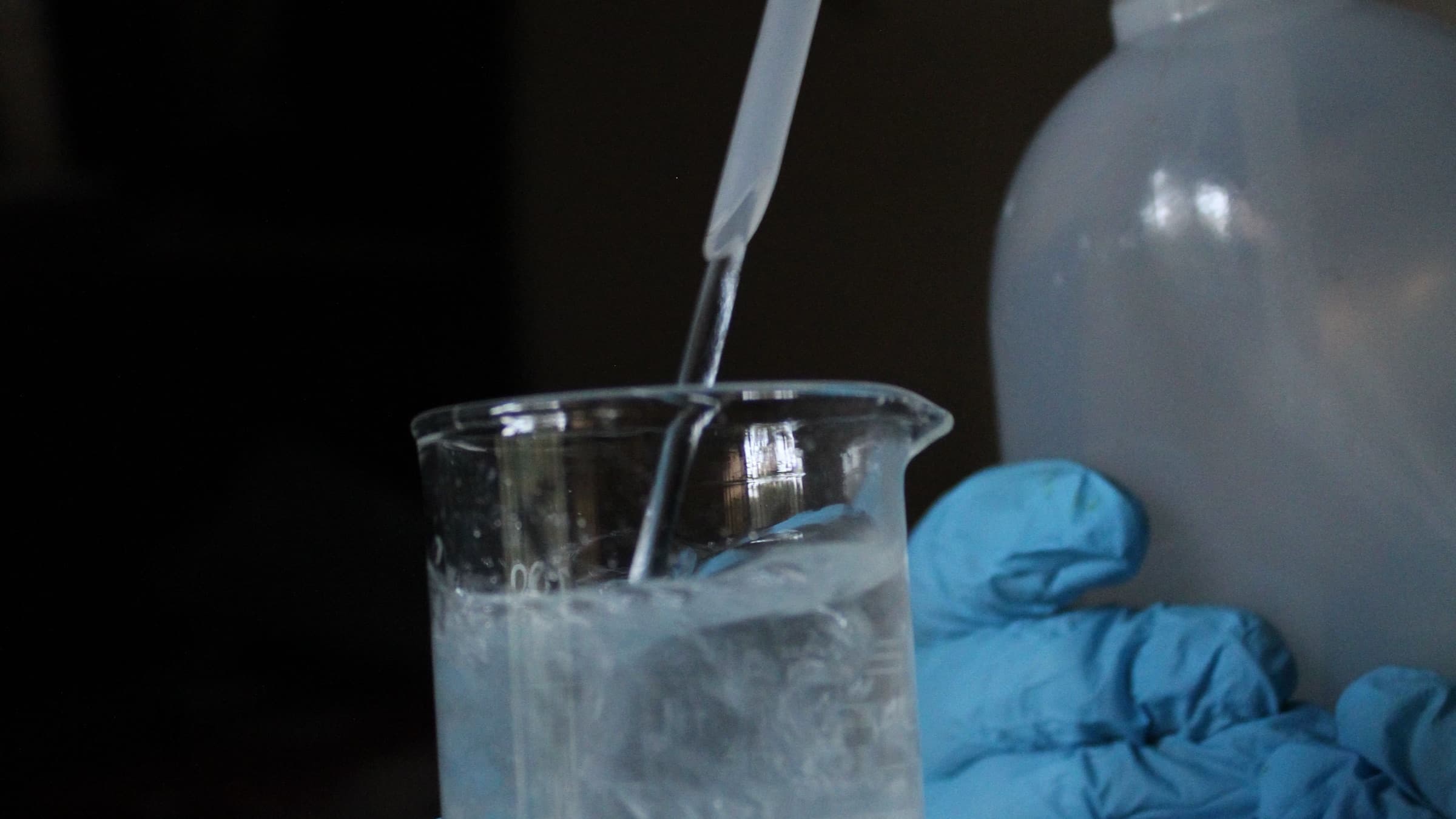
Gloved hand pipetting a clear liquid into a glass beaker

An organofunctional silane carries two kinds of reactive group on one silicon atom. Its hydrolysable groups — methoxy, ethoxy, acetoxy or oxime — react with water to form silanols that bond to glass, minerals and metals. Its organic group is chosen to react with, or entangle in, a polymer. That dual reactivity is why a small molecule can work as a coupling agent, an adhesion promoter, a crosslinker or a surface modifier, depending on the group it carries.

The range below is grouped by that organic group, which is how most formulators choose a silane: first by the polymer it has to work with, then by how fast and how densely it should react.

Silanes by functional group

Amino silanes

Primary and secondary amines react with epoxies, urethanes, phenolics and acrylics, which makes amino silanes the most widely used adhesion promoters and filler coupling agents. Diamino and triamino grades add reactive sites. Alpha-silanes, where the amine sits one carbon from silicon, hydrolyse far faster than their gamma (propyl) counterparts and suit fast-curing silane-terminated polymers.

  • SF-S550 γ-Aminopropyltriethoxysilane
  • SF-S540 γ-Aminopropyltrimethoxysilane
  • SF-S792 N-[3-(Trimethoxysilyl)propyl]ethylenediamine
  • SF-S292 N-(2-Aminoethyl)-3-aminopropylmethyldimethoxysilane
  • SF-S113 2-[2-(3-Trimethoxysilylpropylamino)ethylamino]ethylamine
  • SF-S768 3-Aminopropyl(diethoxy)methylsilane
  • SF-S426 N-(3-(Trimethoxysilyl)propyl)butylamine
  • SF-S766 N-Phenylaminopropyltrimethoxysilane
  • SF-S803 N,N-Diethyl-3-(trimethoxysilyl)-1-propanamine
  • SF-S805 n-Butylaminomethyltriethoxysilane
  • SF-S765 Anilinemethyltriethoxysilane
  • SF-S479 Diethylaminomethyltriethoxysilane
  • SF-S910 N-((Triethoxysilyl)methyl)cyclohexanamine
  • SF-S924 2-Aminoethylaminomethyltriethoxysilane
  • SF-S1146 Bisaminosilane polymer

Epoxy silanes

Glycidoxy and epoxycyclohexyl groups react with amines, anhydrides, carboxyl and hydroxyl groups. Epoxy silanes couple glass and minerals to epoxy and acrylic resins, promote adhesion in sealants, and crosslink water-based coatings. Methyl-dialkoxy grades form a looser, more flexible interface; the oligomer releases less alcohol.

  • SF-S560 3-Glycidoxypropyl(trimethoxysilane)
  • SF-S561 [3-(2,3-epoxypropoxy)propyl]triethoxysilane
  • SF-S562 3-Glycidoxypropyldimethoxymethylsilane
  • SF-S563 (3-(2,3-Epoxypropoxy)propyl)diethoxymethylsilane
  • SF-S186 2-(3,4 epoxycyclohexyl) ethyltrimethoxysilane
  • SF-S1861 2-(3,4-Epoxycyclohexyl)ethyltriethoxysilane
  • SF-SMP200 Epoxy silane oligomer

Vinyl silanes

Vinyl groups take part in free-radical grafting and copolymerisation. Grafted onto polyethylene and then cured with moisture, vinyltrimethoxysilane is the basis of silane-crosslinked polyethylene for cable insulation and pipes (see silane-crosslinked XLPE). Vinyl silanes also scavenge moisture in sealants and serve as crosslinkers in one-part RTV silicones.

  • SF-S171 Vinyltrimethoxysilane, VTMO
  • SF-S151 Triethoxyvinylsilane
  • SF-S172 Vinyl-tris(β-methoxyethoxy)silane
  • SF-S621 Vinylmethyldimethoxysilane
  • SF-S997 Vinyltriisopropenoxysilane

Methacryloxy silanes

The methacrylate group copolymerises with acrylics, styrene and unsaturated polyester, so these silanes couple glass fibre and silica fillers into those resins and bring hydrolysable silicon into acrylic coatings and adhesives.

  • SF-S570 3-Methacryloxypropyltrimethoxysilane
  • SF-S571 3-Methacryloyloxypropyltriethoxysilane
  • SF-S572 3-Methacryloxypropylmethyldimethoxysilane
  • SF-S720 Methacryloxymethyltriethoxysilane

Sulfur and mercapto silanes

Polysulfide silanes bond silica to rubber during vulcanisation; in silica-filled tyre treads that coupling is what lowers rolling resistance while keeping wear resistance. Mercapto silanes are more reactive towards rubber and also improve the adhesion of polysulfide and polyurethane sealants. Carbon-black-supported grades are solids that are easier to dose into rubber mixes.

  • SF-S069 Bis-[3-(triethoxysilyl)-propyl]-tetrasulfide
  • SF-S075 Bis-[3-(triethoxysilyl)-propyl]-disulfide
  • SF-S69C Mixture of Bis-[3-(triethoxysilyl)-propyl]-tetrasulfide and Carbon Black
  • SF-S75C Mixture of Bis-[3-(triethoxysilyl)-propyl]-disulfide and Carbon Black
  • SF-S082 3-Thiocyanatopropyltriethoxysilane
  • SF-S590 3-Mercaptopropyltrimethoxysilane
  • SF-S591 3-Mercaptopropyltriethoxysilane
  • SF-S592 3-Mercaptopropylmethyldimethoxysilane

Isocyanate, ureido and isocyanurate silanes

Isocyanate silanes react with hydroxyl and amine groups and are used to silane-terminate polyols and to graft silicon onto polymers. Ureido silanes promote adhesion with good shelf stability, including in water-based systems. The isocyanurate trisilane is suited to adhesion at elevated temperatures.

  • SF-S025 gamma-isocyanatopropyltriethoxysilane
  • SF-S035 γ-Isocyanatopropyltrimethoxysilane
  • SF-S116 (3-Ureidopropyl)trimethoxysilane
  • SF-S320 3-Ureapropyltriethoxysilane solution
  • SF-S023 1,3,5-Tris(3-trimethoxysilylpropyl)isocyanurate

Alkyl silanes

Alkyl silanes carry no reactive organic group; they make surfaces and fillers hydrophobic. Short chains (methyl, propyl) also act as crosslinkers in silicone systems. Longer chains — octyl to octadecyl — give stronger water repellency and are used on concrete and masonry and to treat fillers for plastics and rubber.

  • SF-S131 Methyltrimethoxysilane (MTMS)
  • SF-S132 Methyltriethoxysilane
  • SF-S2121 Dimethyldimethoxysilane
  • SF-S2122 Dimethyldiethoxysilane
  • SF-S250 n-Propyltrimethoxysilane
  • SF-S332 Triethoxypropylsilane
  • SF-S631 Hexyltrimethoxysilane
  • SF-S632 n-Hexyltriethoxysilane
  • SF-S831 n-Octyltrimethoxysilane
  • SF-S832 N-Octyltriethoxysilane; OCTEO
  • SF-S031 n-Decyltrimethoxysilane
  • SF-S123 Dodecyltrimethoxysilane
  • SF-S122 n-Dodecyltriethoxysilane
  • SF-S163 Trimethoxyhexadecylsilane
  • SF-S181 Octadecyltrimethoxysilane

Fluoroalkyl silanes

Perfluoroalkyl chains give the lowest surface energy of any silane, so the treated surface repels both water and oil. They are used for easy-clean and anti-fingerprint glass and ceramics, protective films on electronics, and to bond fluorinated resins to substrates.

  • SF-S998 1H,1H,2H,2H-Nonafluorohexyltrimethoxysilane
  • SF-S994 1H,1H,2H,2H-Nonafluorohexyltriethoxysilane
  • SF-S165 1H,1H,2H,2H-perfluorooctyltrimethoxysilane
  • SF-S377 1H,1H,2H,2H-Perfluorooctyltriethoxysilane
  • SF-S903 1H,1H,2H,2H-Perfluorodecyltrimethoxysilane
  • SF-S164 1H,1H,2H,2H-Perfluorodecyltriethoxysilane

Phenyl silanes

Phenyl groups raise thermal stability and refractive index. These silanes are intermediates for phenyl silicone fluids, rubbers and resins, and structure-control agents in silicone rubber compounding.

  • SF-S103 Phenyltrimethoxysilane
  • SF-S203 Diphenyldimethoxysilane
  • SF-S201 Diphenyldiethoxysilane
  • SF-S222 diphenylsilanediol

Orthosilicates

Tetraalkoxysilanes carry no organic group at all: on hydrolysis they become silica. They are silica sources for sol-gel coatings, aerogels and molecular sieves, binders for precision casting, and crosslinkers for condensation-cure silicone sealants. Ethyl silicate 40 is a partially condensed oligomer with a higher silica content.

  • SF-S431 Tetramethyl orthosilicate
  • SF-S028 Tetraethylsilicate, TEOS
  • SF-S430 Tetrapropoxysilane
  • SF-S040 Ethyl Silicate-40

Crosslinkers for RTV silicone sealants

One-part room-temperature-vulcanising silicones cure with moisture through a crosslinker. Acetoxy crosslinkers cure fast and release acetic acid; oxime crosslinkers cure neutral and release methyl ethyl ketoxime, which suits metals and sensitive substrates.

  • SF-SMTA Triacetoxy(methyl)silane
  • SF-SETA Ethyltriacetoxysilane
  • SF-SPYTA Propyl tri acetoxysilane
  • SF-SDAC Di-t-butoxydiacetoxy silane; BDAC
  • SF-SMOS Methyltris(methylethylketoxime)silane
  • SF-SVOS Vinyltris(Methylethylketoxime)Silane
  • SF-SPOS Phenyltris(methylethylketoxime)silane
  • SF-SDDS Dimethyl di(methyl ethyl ketoxime) silane

Donor silanes for polypropylene catalysts

Alkoxysilanes are used as external electron donors in Ziegler–Natta polymerisation of propylene, where they control the isotacticity of the polymer. See the polypropylene donor overview for the full set.

  • SF-S251 Donor C Cyclohexyldimethoxymethylsilane
  • SF-S252 Dicyclopentyldimethoxysilane, Donor D
  • SF-S324 Diisobutyl dimethoxysilane
  • SF-S760 Donor BP Isobutylisopropyldimethoxysilane

How to choose a silane

  • Match the organic group to the polymer. Amino for epoxy, urethane and phenolic systems; epoxy for epoxy, acrylic and polyurethane; vinyl and methacryloxy for free-radical systems; sulfur for rubber; alkyl and fluoroalkyl where the goal is repellency rather than bonding.
  • Methoxy or ethoxy. Methoxy silanes hydrolyse faster and release methanol. Ethoxy silanes react more slowly, release ethanol, and usually give a longer working time.
  • Trialkoxy or methyl-dialkoxy. Three hydrolysable groups build a denser siloxane network; two give a more flexible interface and slower reaction.
  • Monomer, oligomer or solution. Oligomers and pre-diluted grades lower volatility and alcohol release, which helps in low-VOC and water-based formulations.

Handling and storage

Silanes react with moisture, and many release methanol or ethanol as they do. Keep containers tightly closed, store them in a cool, dry place, and blanket opened drums with dry nitrogen where possible. Each product's SDS gives its hazards and handling in full.

For a COA, SDS or a quotation on any of these grades, contact our sales team.
すべての製品Polysilazane ResinsMQ Silicone ResinsPhenyl Silicone ResinsSiloxanes & SilazanesSilanesSilicone OilsOthers

カテゴリー

  • すべての製品
  • Polysilazane Resins
  • MQ Silicone Resins
  • Phenyl Silicone Resins
  • Siloxanes & Silazanes
  • Silanes
  • Silicone Oils
  • Others
Blue steel drums on pallets in a warehouse

Silanes

POLYPROPYLENE SILANE

詳細を見る
Blue steel drums on pallets in a warehouse

Silanes

SF-S023 1,3,5-Tris(3-trimethoxysilylpropyl)isocyanurate

CAS 26115-70-8

Tris[3-(trimethoxysilyl)propyl] Isocyanurate CAS No. 26115-70-8

詳細を見る
Blue steel drums on pallets in a warehouse

Silanes

SF-S025 gamma-isocyanatopropyltriethoxysilane

CAS 24801-88-5

3-Isocyanatopropyltriethoxysilane; gamma-isocyanatopropyltriethoxysilane CAS No. 24801-88-5

詳細を見る
Blue steel drums on pallets in a warehouse

Silanes

SF-S028 Tetraethylsilicate, TEOS

CAS 78-10-4

Tetraethyl orthosilicate; Tetraethoxysilane; Tetraethylsilicate; TEOS CAS No. 78-10-4

詳細を見る
Blue steel drums on pallets in a warehouse

Silanes

SF-S031 n-Decyltrimethoxysilane

CAS 5575-48-4

n-Decyltrimethoxysilane CAS No. 5575-48-4

詳細を見る
Blue steel drums on pallets in a warehouse

Silanes

SF-S035 γ-Isocyanatopropyltrimethoxysilane

CAS 15396-00-6

3-Isocyanatopropyltrimethoxysilane; γ-Isocyanatopropyltrimethoxysilane; Trimethoxy(3-isocyanotopropyl)silane; 3-(Trimethoxysilyl)propyl isocyanate CAS No. 15396-00-6

詳細を見る
Blue steel drums on pallets in a warehouse

Silanes

SF-S040 Ethyl Silicate-40

CAS 11099-06-2

Ethyl Silicate-40, Tetraethoxysilane-40 CAS No. 11099-06-2

詳細を見る
Blue steel drums on pallets in a warehouse

Silanes

SF-S069 Bis-[3-(triethoxysilyl)-propyl]-tetrasulfide

CAS 40372-72-3

Bis[3-(triethoxysilyl)propyl]tetrasulfide; Silane coupler KH-858; Si-69 Silane coupling agent, CAS No. 40372-72-3

詳細を見る
Blue steel drums on pallets in a warehouse

Silanes

SF-S075 Bis-[3-(triethoxysilyl)-propyl]-disulfide

CAS 56706-10-6

Bis(triethoxysilylpropyl) disulfide ,CAS No. 56706-10-6

詳細を見る
前へ
12345…10
1 / 10次へ