
Phenylmethyl Silicone Oil (CAS 63148-52-7) Hydrophobic Properties Description
Phenylmethyl Silicone Oil (CAS 63148-52-7) Hydrophobic Properties Description
Phenylmethyl Silicone Oil (CAS 63148-52-7) Hydrophobic Properties Description
The hydrophobic properties of phenylmethyl silicone oil (chemical name: poly(dimethylsiloxane-co-methylphenylsiloxane)) cannot be measured by a single fixed value of "a few hours," but rather depend on various key factors such as application scenario, film formation method, and environmental conditions. The following is a systematic analysis and reference data:
I. Basic Principles and Characteristics of Hydrophobicity
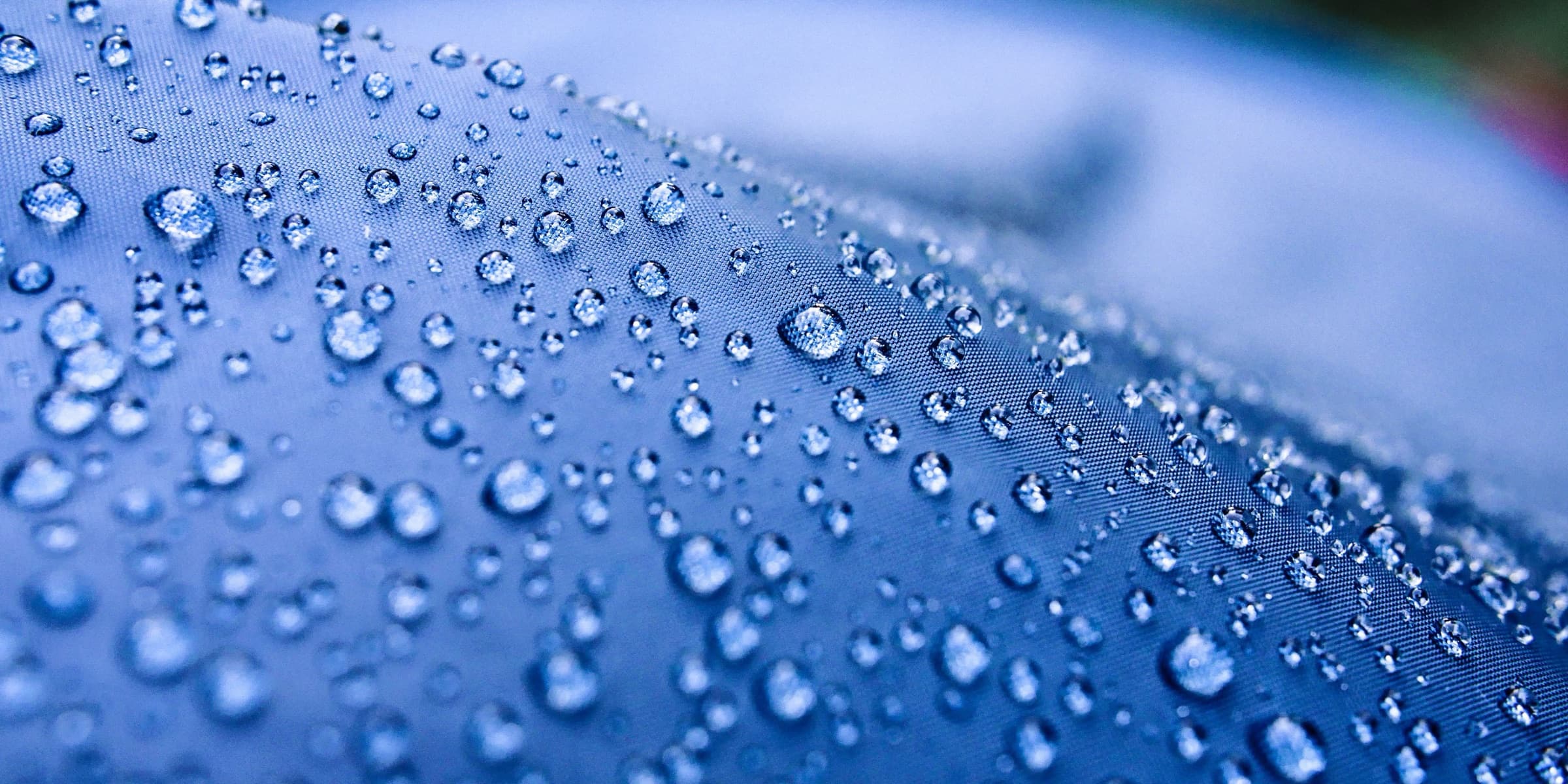
Phenylmethyl silicone oil has a siloxane main chain structure and low surface energy (approximately 21-28 mN/m), making it a typical hydrophobic material. Its hydrophobic properties are mainly reflected in:
Static contact angle: Typically between 105°-118°, higher than dimethyl silicone oil (approximately 103°)
Dynamic hydrophobicity: Water droplets easily roll on its surface and do not easily adhere.
Chemical stability: The silicon-oxygen bond has high bond energy, is stable to water, and is not easily hydrolyzed.
II. Key Factors Affecting Hydrophobic Duration
Influencing Factors | Mechanism of Action | Degree of Influence
Application Method | Direct application vs. cross-linking film formation vs. addition to coatings, different film thickness and uniformity | Decisive
Environmental Conditions | Temperature, humidity, ultraviolet light, mechanical friction, water flow impact, etc. | Significant
Substrate Characteristics | Surface roughness, polarity, and porosity affect silicone oil adhesion and film formation | Important
Product Parameters | Phenyl content, viscosity, and molecular weight affect film formation performance and durability | Moderate
III. Reference for Hydrophobic Duration in Different Application Scenarios
1. Direct Application (Uncrosslinked) Scenarios
Laboratory static environment: Directly applied to clean glass and metal surfaces, without mechanical interference, the hydrophobic effect can last for several months to several years.
Mild dynamic environment (such as indoor equipment moisture protection): No significant friction, the hydrophobic effect can last for several weeks to several months.
Severe dynamic environment (such as outdoor wind and rain, water erosion): The uncrosslinked silicone oil film is easily washed away, and the hydrophobic effect can only last for a few hours to a few days.
2. Cross-linking Film Formation Scenarios (Adding Curing Agent or High-Temperature Cross-linking)
Heat-cured film formation (150-200℃, adding organotin catalyst): Forms a stable siloxane network, and the hydrophobic effect can last for 1-5 years (outdoor environment).
Room temperature cross-linking film formation (adding silane coupling agent or platinum catalyst): The film strength is slightly lower, and the hydrophobic effect can last for 6-18 months.
Added to coatings/sealants: As a hydrophobic additive (5-15%), the hydrophobic effect is synchronized with the coating system and can last for 2-10 years.
3. Special Application Scenarios
Moisture protection of electronic components: Sealed inside the device, without external interference, the hydrophobic and moisture-proof effect can last for the entire product life cycle (5-10 years). (Years)
Textile Finishing: For non-crosslinked fabrics, the hydrophobic effect significantly decreases after 5-10 washes (approximately 1-2 weeks); for crosslinked fabrics, the effect can last for 30-50 washes (approximately 3-6 months).
Marine Antifouling Coating: Used as an additive, the hydrophobic and antifouling effects can last for 12-24 months in a seawater environment.
IV. Methods to Improve Hydrophobic Durability
Crosslinking and Curing: Using silane coupling agents (such as KH-550, KH-560) or organotin catalysts (such as DBTDL) to crosslink the silicone oil into a film significantly improves durability.
Substrate Pretreatment: Cleaning, degreasing, and roughening the substrate improves the adhesion of the silicone oil.
Multi-layer Coating: Increasing the coating thickness (recommended ≥5μm) improves resistance to abrasion.
Adding Reinforcing Materials: Compounding with nano-silica, titanium dioxide, etc., forms a micro-nano rough structure, enhancing hydrophobic durability and weather resistance.
V. Summary and Practical Suggestions
Phenylmethyl silicone oil itself has excellent and long-lasting hydrophobic potential. Under ideal conditions (crosslinking into a film, without harsh environmental interference), it can achieve hydrophobic effects for several years; however, in harsh dynamic environments (without crosslinking, strong abrasion), it may only last for a few hours to several days.
Practical Suggestions: Choose the appropriate application method according to specific needs. If long-term hydrophobic effect is required, it is recommended to use the crosslinking film-forming process, combined with substrate pretreatment and multi-layer coating technology, to obtain optimal durability.